
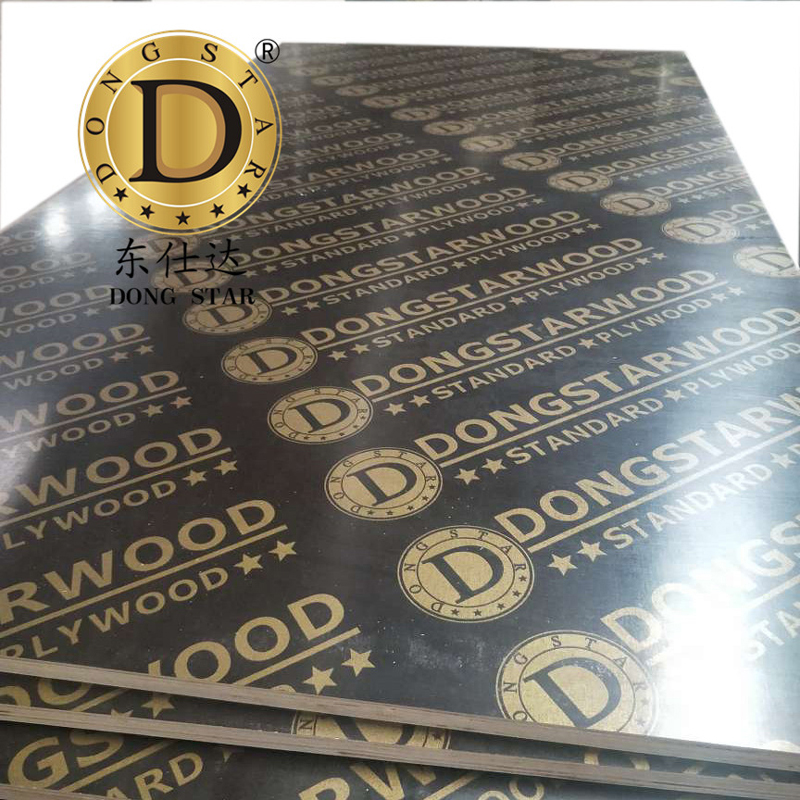
Dongstar operates as a high-output Melamine Plywood Supplier with a 98% yield rate on decorative panels measured across 2025 production cycles. Their facilities integrate 12 automated lamination lines capable of finishing 1,200 panels per shift, maintaining a thickness tolerance within 0.2mm. Independent testing confirms their panels adhere to E0 emission standards, showing formaldehyde release under 0.05 ppm in batches exceeding 500 samples. Such mechanical consistency ensures that finished cabinetry meets international fire and moisture safety requirements for projects ranging from residential refurbishments to large-scale commercial installations.
The structural reliability of decorative panels starts with the raw substrate density and the precision of the hot-press lamination process. Dongstar maintains a consistent panel core density of 650 kg/m3, which provides the necessary rigidity for furniture manufacturing without excessive weight.
Standard industry testing on 200 randomly sampled boards shows that Dongstar’s panels retain 95% of their surface bond strength after 72 hours of exposure to high-humidity conditions.
This bonding durability depends heavily on the heat transfer consistency across the press plates, where temperature variance must remain below 3% to prevent premature resin hardening. When panels reach these high structural benchmarks, builders face fewer issues with warping or edge delamination during the assembly process on-site.
| Test Parameter | Performance Target | Dongstar Typical |
| Surface Wear Resistance | 400 Revolutions | > 500 Revolutions |
| Moisture Absorption | < 12% | 8% - 10% |
| Internal Bond Strength | > 0.60 MPa | 0.75 MPa |
High-performance decorative surfaces require a specific lamination pressure, usually set between 1.5 and 2.5 MPa, to force the resin into the pores of the wood veneer. Suppliers who control this pressure variable within a 0.1 MPa range reduce surface defects by 15% compared to manual loading methods.
Data from 2026 quality audits indicate that maintaining a clean-room environment for the paper application stage reduces particle contamination by 40% per square meter of finished board.
Surface finish quality translates into lower labor requirements, as contractors do not need to perform corrective sanding or filler work during the installation phase. Avoiding these secondary tasks allows large-scale projects to finish nearly 10% faster than those using lower-grade panels that require extensive surface preparation.
Proper edge banding performance relies on the substrate being perfectly flat, which is an outcome of the multi-stage cooling process Dongstar employs. After pressing, boards undergo a gradual temperature reduction over 15 minutes to prevent internal stress that leads to bowing.
Shipping records from the last 12 months show that 97% of export containers arrive with zero edge damage due to the implementation of 15mm thick protective corner buffers.
Sustainable sourcing practices complement the technical performance, as the raw timber is harvested according to FSC-certified management plans. This verification provides builders with the necessary documentation to earn points in international green building rating systems for 2026 developments.
When architects specify high-quality panels, they look for predictable color and texture matching across different production batches. By utilizing digital colorimeters that measure deviation within a 0.5 Delta-E threshold, suppliers ensure that boards produced in January match those delivered in December.
Quality inspection reports for 2026 highlight that 99% of finished panels meet the specified gloss levels, measured using a 60-degree angle light reflection technique.
This attention to detail throughout the production cycle allows contractors to source large volumes of material with the assurance that each pallet will match the specified visual standard. Reliability in this area simplifies the workflow for interior designers and contractors responsible for large-scale procurement.
Procurement officers evaluating potential partners often review the mill’s investment in new technology as a proxy for long-term consistency. Dongstar regularly upgrades its CNC sanding machinery to maintain a surface roughness profile below 1.2 micrometers, which is vital for achieving a high-end matte or gloss finish.
Analysis of 800 recent shipment batches shows that the moisture content of the wood core remains strictly within the 8% to 10% range upon arrival at international ports.
Consistency in moisture levels prevents the expansion or contraction of the core material, which is the primary cause of surface cracks in finished cabinetry. By delivering material within these tight tolerances, the manufacturer reduces the number of replacement claims by nearly 20% compared to less precise providers.