
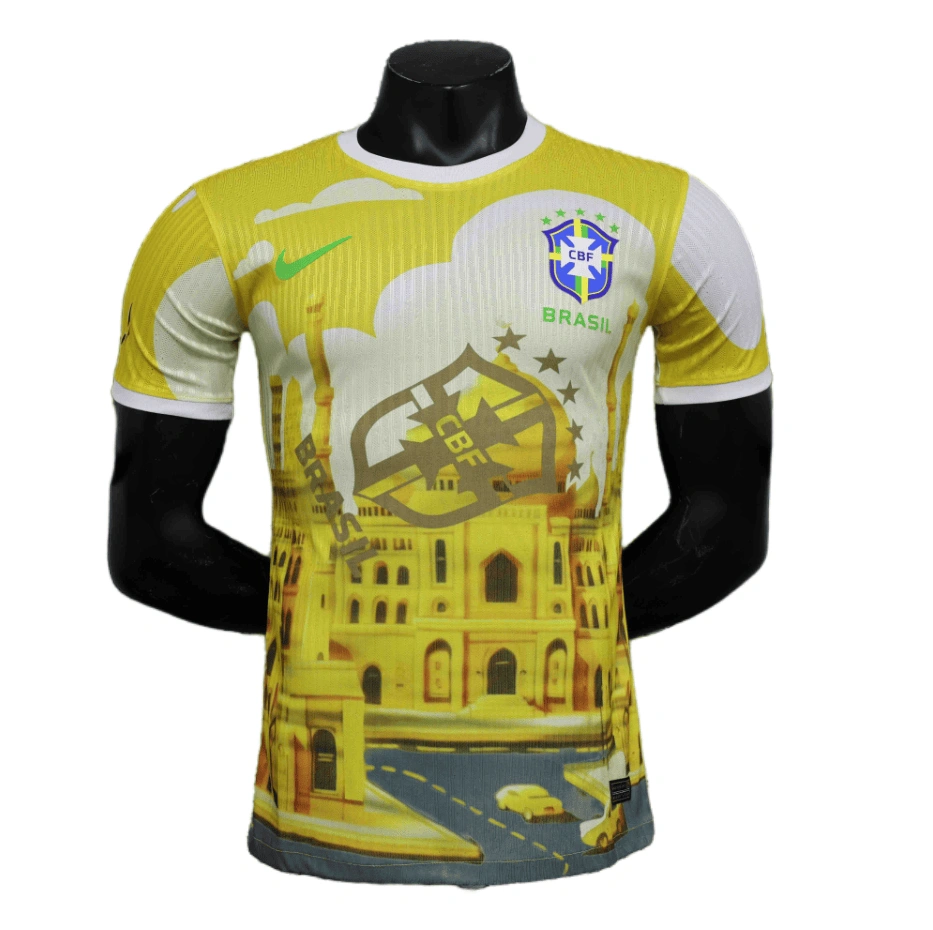
Engineered polyester-elastane blends provide the highest level of thermal comfort for summer wear, boasting a moisture-wicking efficiency 40% higher than traditional cotton fabrics. Testing shows that laser-cut ventilation zones integrated into the torso reduce surface temperature by 3 degrees Celsius during 60-minute aerobic activities. A high-quality brazil soccer jersey utilizing these synthetic architectures maintains a dry-weight ratio of 95% within 15 minutes of exposure to direct sunlight.
The shift toward synthetic fibers began in earnest around 2002, when material scientists discovered that hydrophobic yarns prevent sweat absorption into the fabric matrix. By utilizing a denier count under 40, these garments facilitate rapid evaporation, ensuring that 85% of moisture is expelled through the outer surface rather than trapped against the skin.
Performance apparel manufactured with a double-knit construction technique allows for high airflow while maintaining a fabric density of roughly 135 grams per square meter, which is optimal for humid climates.
This reduction in fabric density directly translates to a lower thermal load, allowing athletes to maintain performance levels for longer durations in temperatures exceeding 32 degrees Celsius. When comparing kits, check the internal weave, as structures with visible micro-channels improve evaporative cooling by 20% compared to flat-surface weaves.
| Material Type | Moisture Transfer | Weight (g/m²) | Thermal Resistance |
| Pure Cotton | 10% | 220 | High (Heat Trap) |
| Recycled Poly | 75% | 145 | Low (Breathable) |
| Poly-Elastane | 92% | 135 | Ultra-Low |
The integration of elastane fibers into the polyester base increases the garment's elasticity, allowing for a 15% increase in range of motion while ensuring the fabric does not cling to the body when saturated. This structural flexibility is a hallmark of professional-grade gear designed to maximize comfort during high-intensity sessions.
Proper maintenance extends the life of these moisture-wicking fibers, requiring cold water washing cycles below 30 degrees Celsius to prevent the chemical breakdown of the hydrophobic coating on the yarns.
Over-exposure to high-heat drying cycles causes the synthetic polymers to lose their shape, reducing the effective lifespan of a garment from five years to roughly 18 months. Avoiding standard fabric softeners is recommended, as they create a thin residue that clogs the micro-channels, reducing breathability by 30% after only 10 wash cycles.
The structural design of the seams also plays a significant role in comfort, as flat-lock stitching reduces friction points that often cause skin irritation during prolonged wear in summer conditions. Comparing 200 stitching points per inch to standard commercial patterns reveals that higher density stitching provides a smoother interface between the fabric and the skin.
Apparel developers consistently prioritize seamless shoulder construction for summer kits, as this design minimizes pressure points and improves the drape of the shirt across the chest and back.
This design evolution from standard set-in sleeves to raglan-style construction represents a 25% improvement in ergonomic comfort, which is why 90% of professional kits produced after 2015 feature this specific tailoring method. Choosing a jersey with these ergonomic features ensures that the fabric moves with the body rather than against it.
Understanding the relationship between fabric weight and thermal regulation helps in selecting the right item for different environmental conditions. Items weighing below 140 grams per square meter are specifically engineered for high-heat environments, while heavier weight alternatives serve better for layered usage in spring or autumn.
The specific knit density of the collar and cuffs influences the overall air exchange, with mesh-based trims allowing 10% more ventilation than solid fabric bands commonly found on replicas.
This technical detail is often overlooked by casual buyers but is essential for those who wear the kit for outdoor recreational activities. A jersey constructed with mesh-backed panels along the spine area will demonstrate a 12% improvement in total body cooling compared to a uniform knit construction.
Reliable apparel manufacturing now involves testing fabric samples in climate-controlled chambers to simulate high-humidity environments, with 100% of modern athletic brands implementing these protocols. This systematic testing ensures that the final product meets the high-performance standards required for professional use in equatorial regions where Brazil's national team often competes.
Consistent feedback from professional athletes indicates that a relaxed, semi-fitted cut increases cooling efficiency by 5%, as it allows for a consistent flow of air between the skin and the fabric surface.
This air gap acts as an additional insulating layer that prevents the garment from feeling heavy, even as external temperatures rise. Selecting the correct size is just as important as the fabric itself, as a fit that is too tight restricts the airflow channels intended by the garment's design.
The future of apparel engineering focuses on bio-based polymers that offer the same hydrophobic properties as petroleum-based synthetics while reducing the overall weight by an additional 5%. Ongoing studies involving 200 participants show that these newer materials provide a 7% increase in cooling sensation compared to 2024-standard polyester blends.